
French
Eggplant-Zucchini Ratatouille
- 1 large onion, thinly sliced
- 1 large green pepper, chopped
- 2 cloves garlic, minced
- 2 tablespoons olive oil
- 1 medium eggplant, peeled and cubed
- 3 medium zucchini, sliced
- 3 tomatoes, peeled and chopped or use diced canned (14.5 oz) tomatoes
- 1/2 teaspoon salt, less if using canned tomatoes
- 1/8 teaspoon fresh ground black pepper
- 1/8-1/4 teaspoon dried oregano
- 2 to 4 tablespoons grated Parmesan cheese
- 2 tablespoons chopped fresh parsley
Saute onion, green pepper, and garlic in hot oil in a large skillet until vegetables are tender-crisp. Stir in eggplant and zucchini; cook 5 minutes.
Add tomatoes, salt,pepper, and oregano; stir well, and cook just until thoroughly heated. Sprinkle with cheese and parsley.
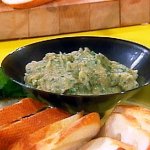
Chopped Eggplant Appetizer
Unusual eggplant appetizer, with baked eggplant and onion, then chilled and served on crisp leaves of lettuce or as a spread with slices of crusty sourdough bread.
- Login or register to post comments
- Read the rest of Chopped Eggplant Appetizer.
Hollandaise Sauce
Hollandaise sauce is one of the classic French sauces made with egg yolk and butter. Making hollandaise by hand using a wire whisk is really no more difficult than using a blender.

- Login or register to post comments
- Read the rest of Hollandaise Sauce.
Béchamel Sauce
Béchamel Sauce is one of the five "mother sauces" in French cooking. This white sauce is part of every French cooks arsenal of basic sauces.

- Login or register to post comments
- Read the rest of Béchamel Sauce.
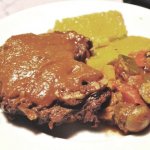
Braised Beef Shanks in Zinfandel Reduction
The wonders of braising in a Dutch oven, try this braised beef shanks in Zinfandel reduction recipe. Simply spectacular.
- Login or register to post comments
- Read the rest of Braised Beef Shanks in Zinfandel Reduction.
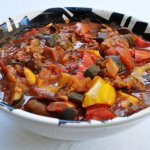
Ratatouille
Ratatouille is a vegetable stew made popular in the Provence region of France. "Rata" is a slang term for stew in French, and "touiller" means "to stir". So literally, a stew that is stirred.
There are many variations to ratatouille, and no one standard or correct way to prepare this dish. Think of it as similar to American "stew", it can take on a number of forms and is open to your interpretation.
This ratatouille variation includes mushrooms for some additional succulent texture and balsamic vinegar for a rich flavor with a touch of tangy sweetness.
- Login or register to post comments
- Read the rest of Ratatouille.
Quiche Lorraine
A favorite Quiche Lorraine recipe with Canadian bacon instead of regular fried bacon is a little easier on the calories and fat. To keep things simple, you can make this quiche with a store-bought pie crust.

- Login or register to post comments
- Read the rest of Quiche Lorraine.
Beurre Blanc Sauce
The classic French Beurre Blanc sauce works nicely with steamed or poached fish, drizzled over chicken or fresh vegetables. Beurre Blanc means white butter in French, so not a low calorie or low fat sauce, but very tasty.

- Login or register to post comments
- Read the rest of Beurre Blanc Sauce.
